Insights
Socialization Windows: Why Timing Matters More Than Quantity
Meeting 50 dogs at 6 months does less than meeting 10 dogs during the critical window at 8 weeks.

Meeting 50 dogs at 6 months does less than meeting 10 dogs during the critical window at 8 weeks.
Socialization gets treated as a numbers game — meet as many dogs and people as possible — but the research on canine development points to something more specific: there's a limited window, roughly 3 to 14 weeks of age, where a puppy's brain is unusually open to forming positive associations with novelty. What happens inside that window matters disproportionately more than what happens after it closes.
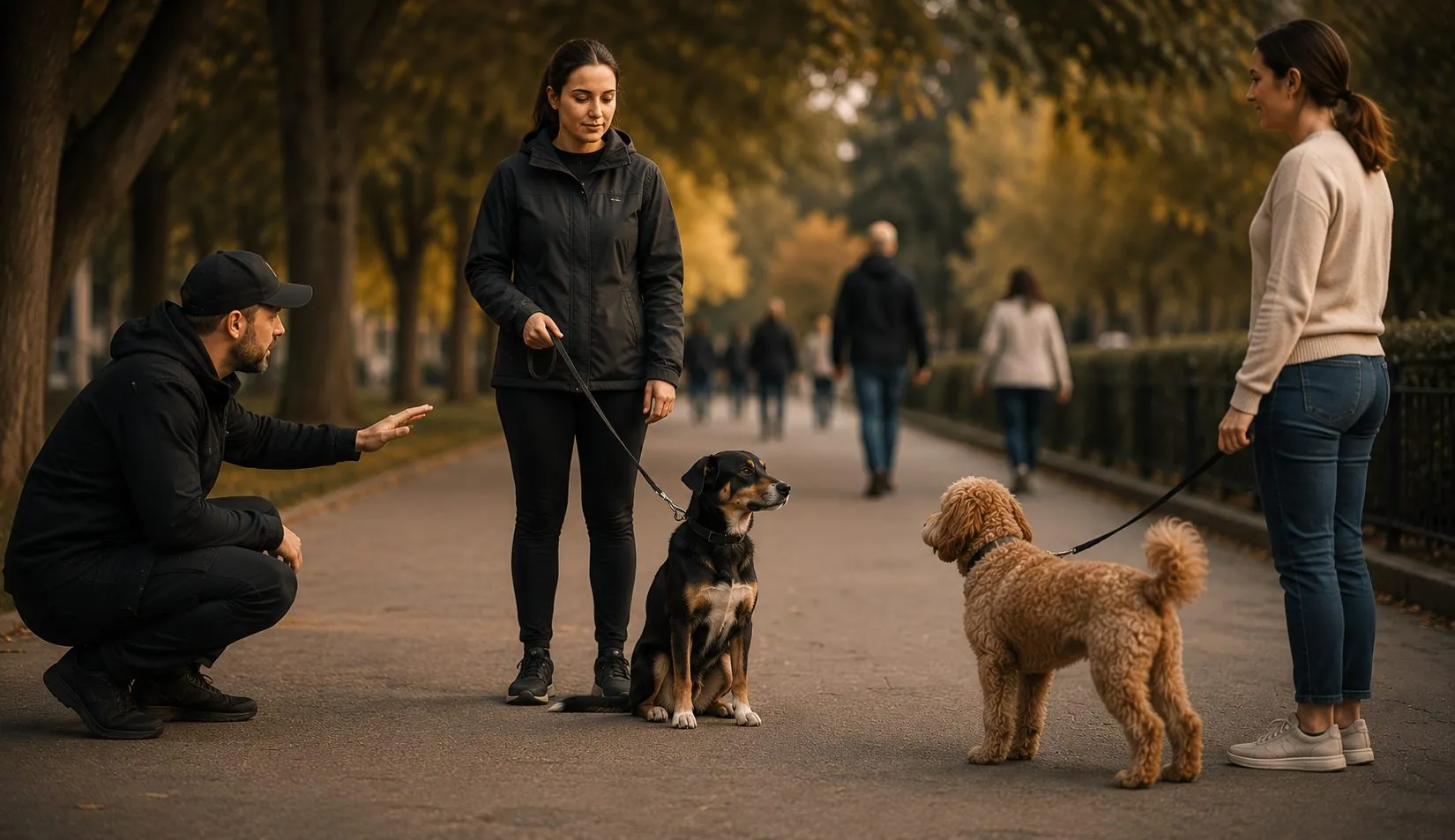
During this period, new experiences are more likely to be filed as "normal and safe" by default, with less active fear evaluation than an adolescent or adult dog would apply to the same experience. A puppy that meets a calm bearded man in a hat at 9 weeks is likely to file "bearded men in hats" as normal for life. An adult dog meeting that same person for the first time has to actively overcome a lack of prior reference, which is a fundamentally harder and slower process.
A single bad experience during the socialization window — being cornered by an over-enthusiastic dog, a frightening vet visit, rough handling by a child — can outweigh dozens of good ones, especially once the window starts closing. The goal isn't maximum exposure; it's a high ratio of calm, positive, puppy-paced experiences to negative ones. Ten well-managed introductions beat fifty chaotic ones.
Many owners wait until vaccinations are complete around 16 weeks to start socializing, which misses most of the window. Veterinary guidance generally supports controlled, lower-risk socialization before then — carried outings, well-vaccinated adult dogs, puppy classes with health screening, avoiding areas with unknown dog traffic — rather than an all-or-nothing wait.
Continued exposure after 14 weeks still matters for maintaining what was built and for handling genuinely new experiences later in life — it's just doing maintenance work rather than foundational work. A dog under-socialized in the critical window can still improve significantly with structured adult work; it simply takes longer and needs more careful pacing than it would have at 8 weeks.
Our socialization and neutrality training is built around this window specifically for puppies, and around structured, lower-pressure rebuilding for adolescent and adult dogs that missed it — because the goal either way is the same: a dog that finds the world boring instead of threatening.